
NEHS Professional Support Grants, available during the Winter Awards Cycle (Dec 8, 2025 – Jan 12, 2026), offer educators up to $500 to pursue meaningful professional growth, whether by attending conferences, exploring archives, or enhancing classroom resources.
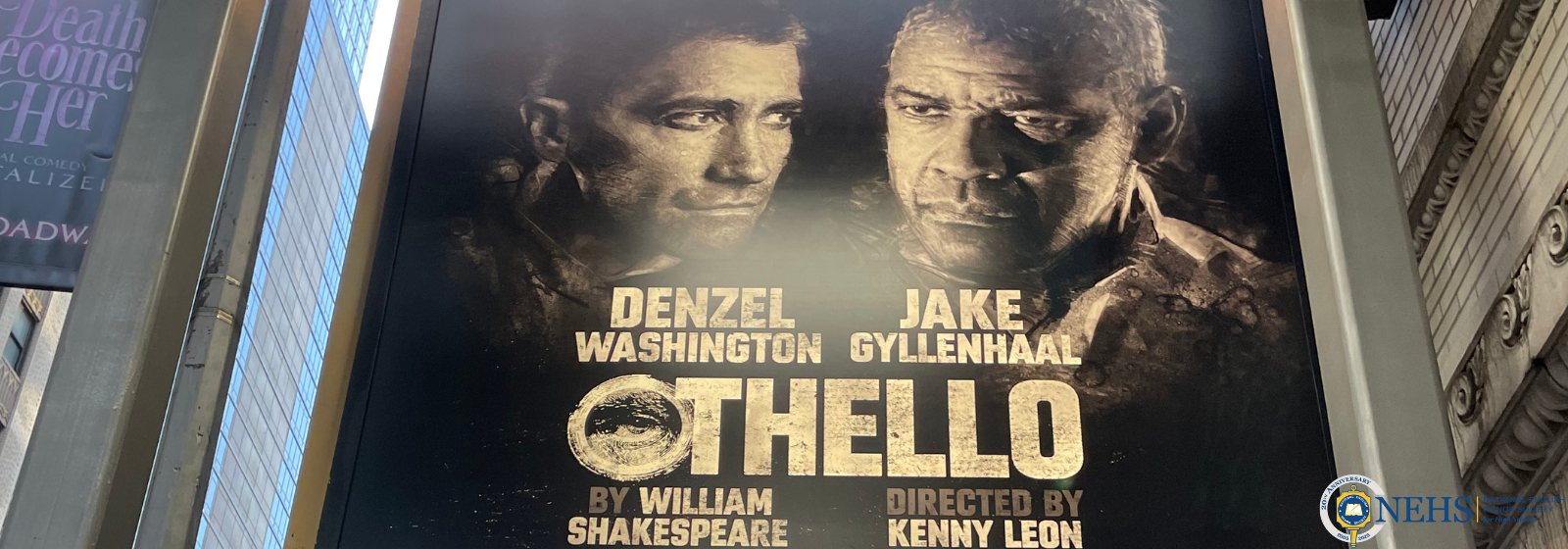
For Mary Catherine Lankford and Genevieve Hay, from Academic Magnet High School in South Carolina, the grant made a remarkable trip to New York City, where they researched Othello productions and attended the 2025 Broadway revival starring Denzel Washington, Jake Gyllenhaal, and Molly Osborne, possible. Their experience inspired new lessons on staging, costume design, and interpretation, showing how professional development can positively impact teaching.
This winter, consider how a Professional Support Grant could transform your own classroom by turning professional curiosity into powerful, real-world learning.
Othello on Stage, on Paper, and in Our Classroom
Thanks to a generous Professional Support Grant from NEHS, we had the pleasure of visiting New York over our spring break to explore archival materials related to New York-based productions of Othello and to attend Kenny Leon’s new production of the play—the first on Broadway in over forty years. Othello is a staple of our Honors English 2 course—and a play that Genevieve first studied as a student in Mary Catherine’s class over fifteen years ago!
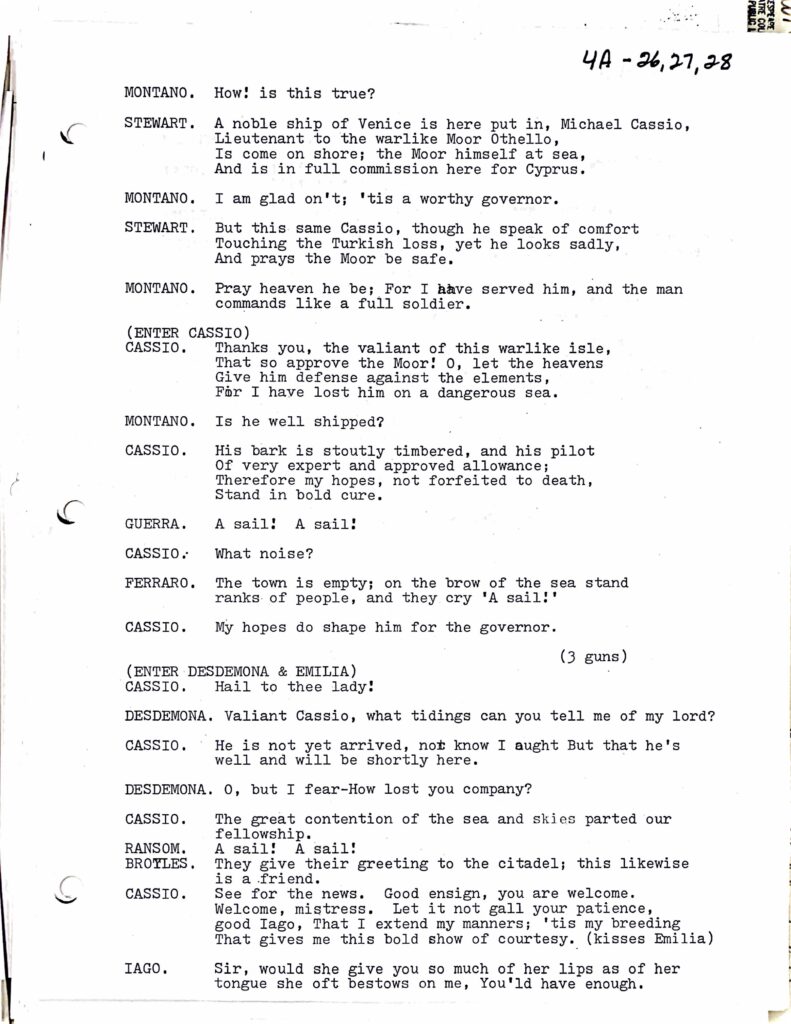
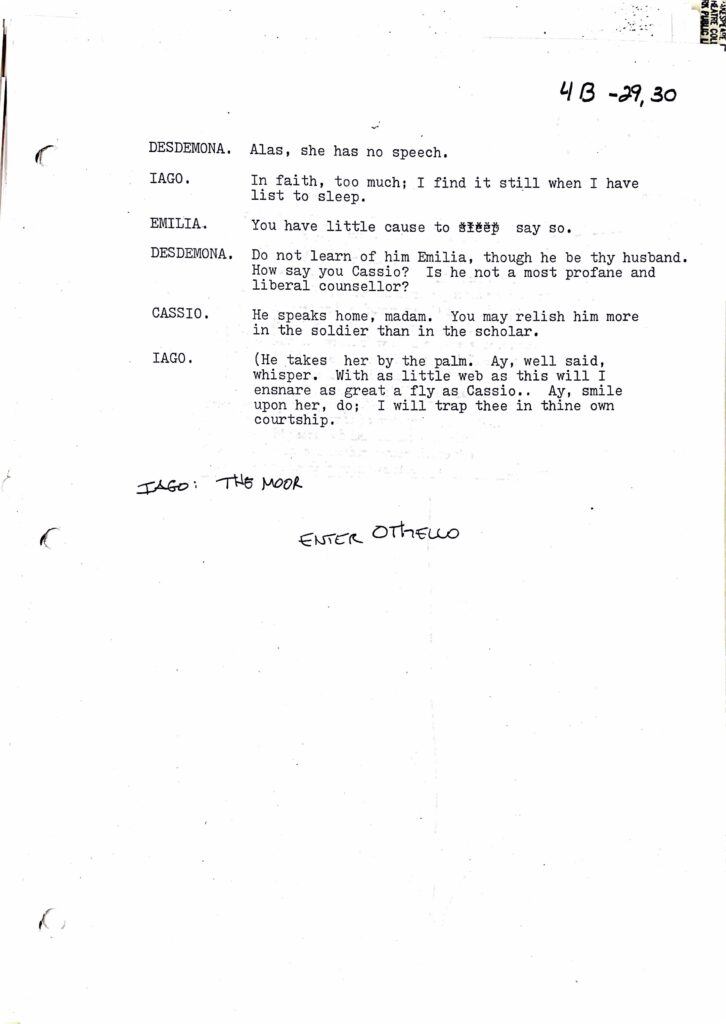
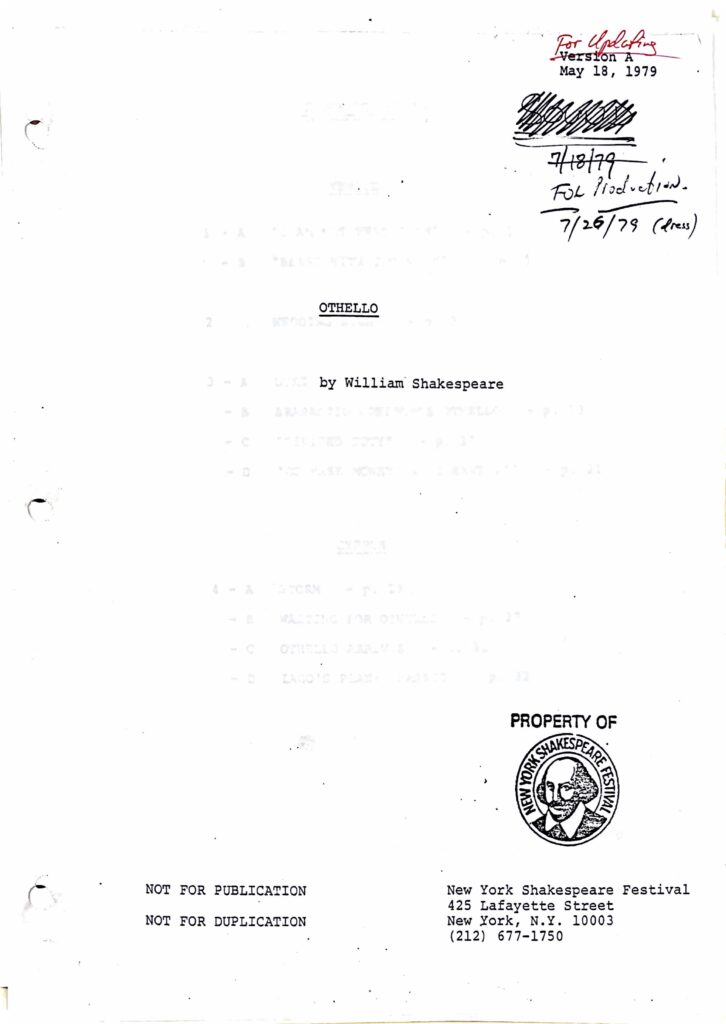
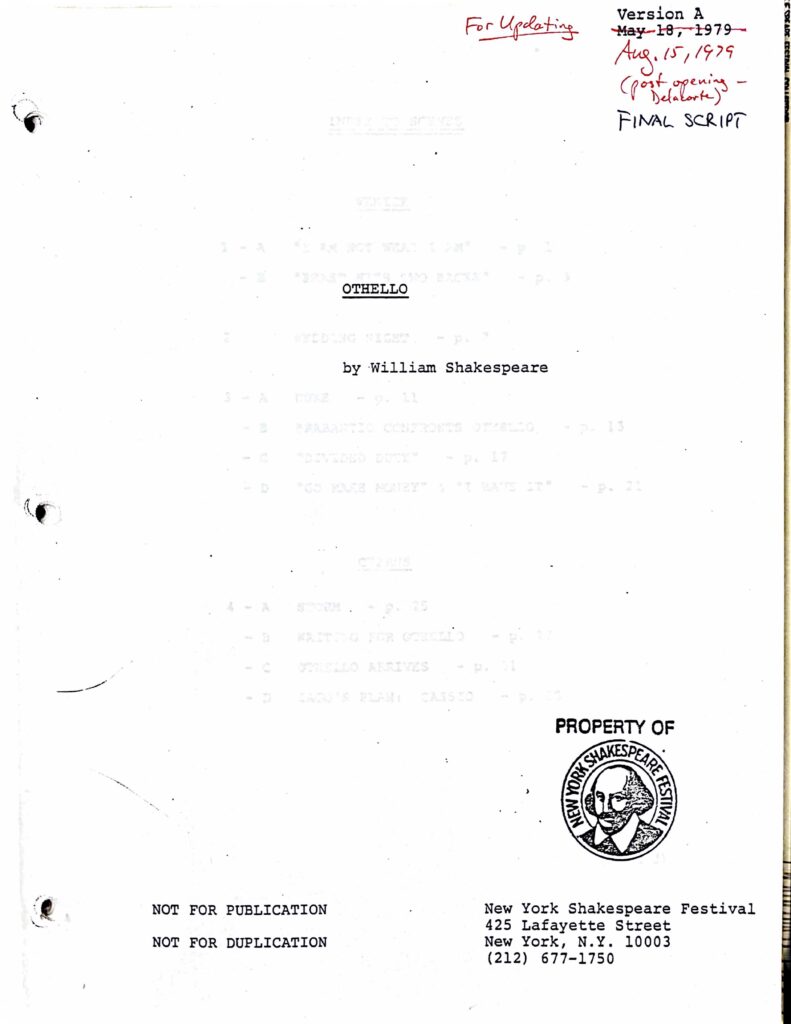
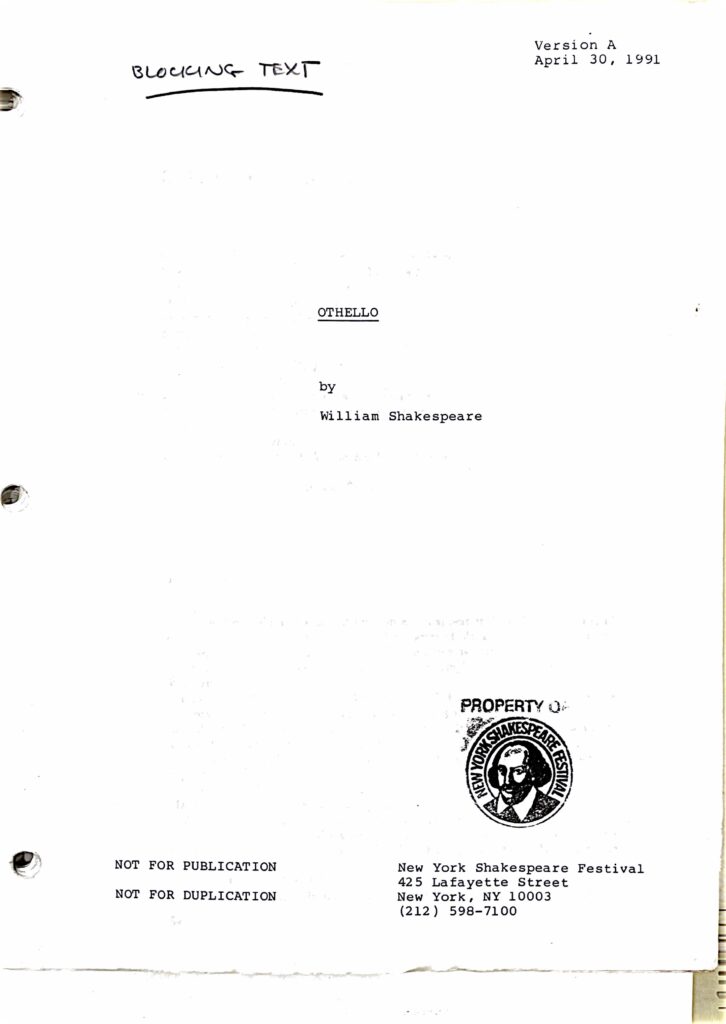
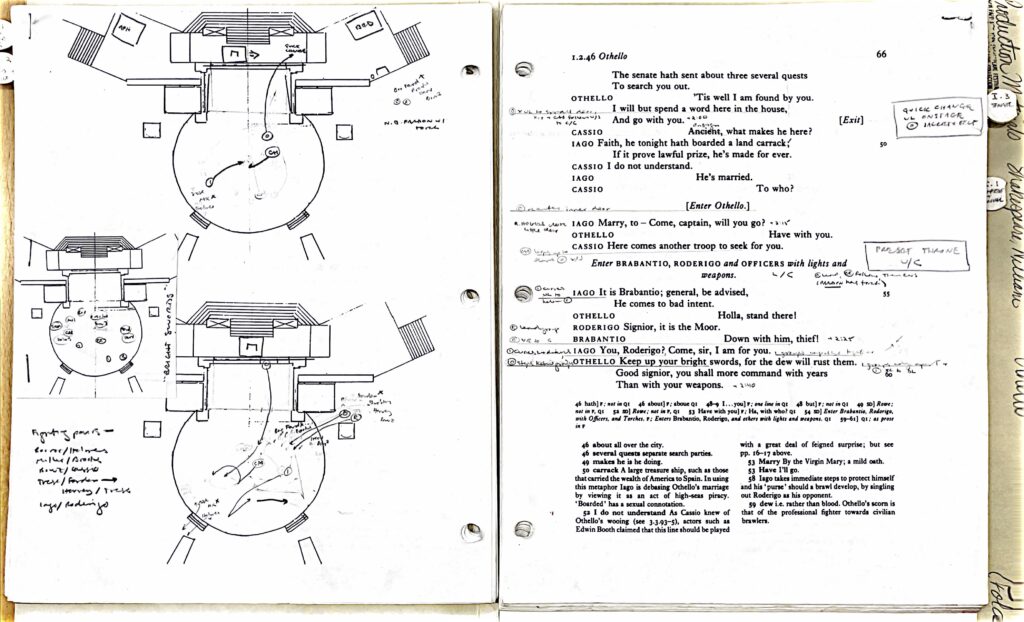
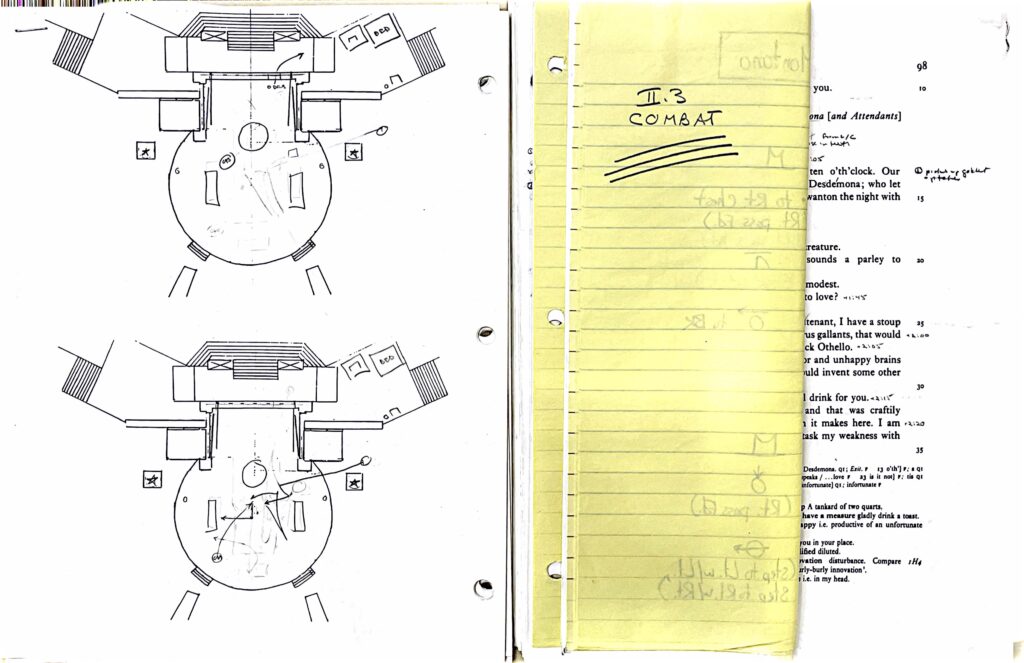
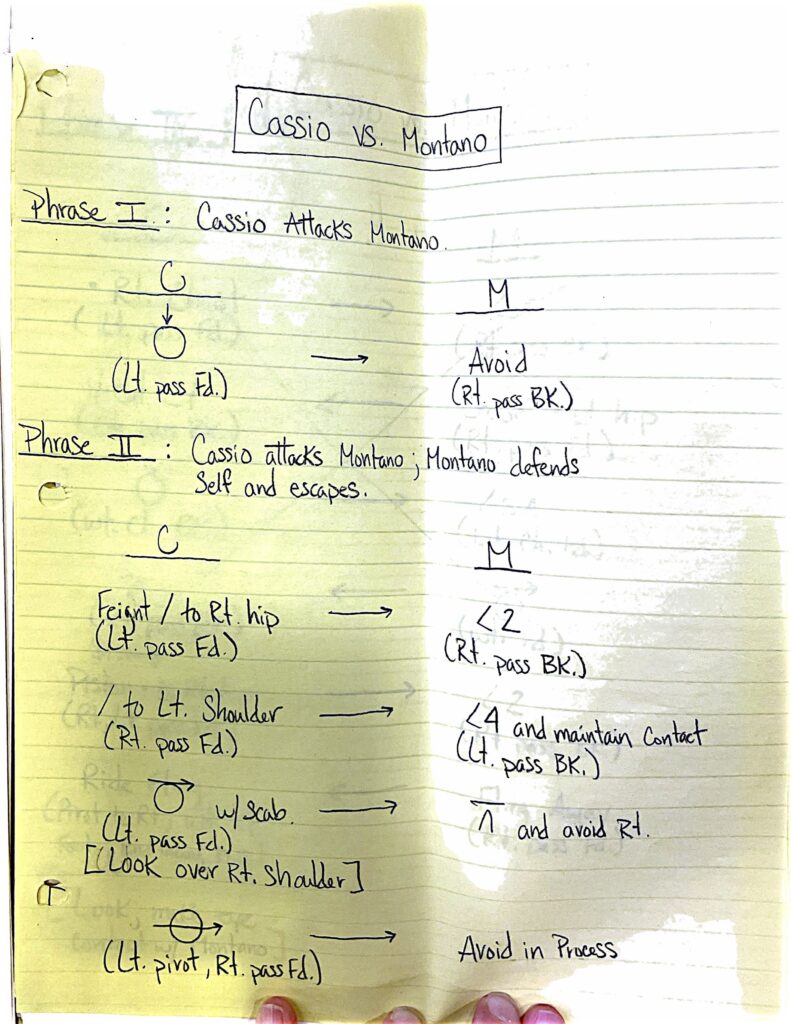
We began our trip with a visit to the special collections archives at the New York Library for the Performing Arts, where we reviewed boxes of materials from the New York Shakespeare Festival, the organization that produces the city’s iconic Shakespeare in the Park productions. The majority of materials came from the 1979 production starring Raúl Julia as Othello, Richard Dreyfuss as Iago, and Frances Conroy as Desdemona, but also contained materials from several mid-century productions and the 1991 production in which Julia reprised the titular role alongside Christopher Walken as Iago.
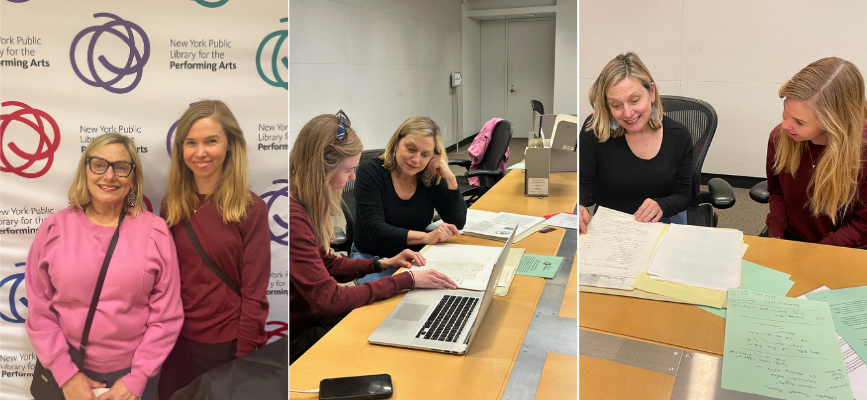
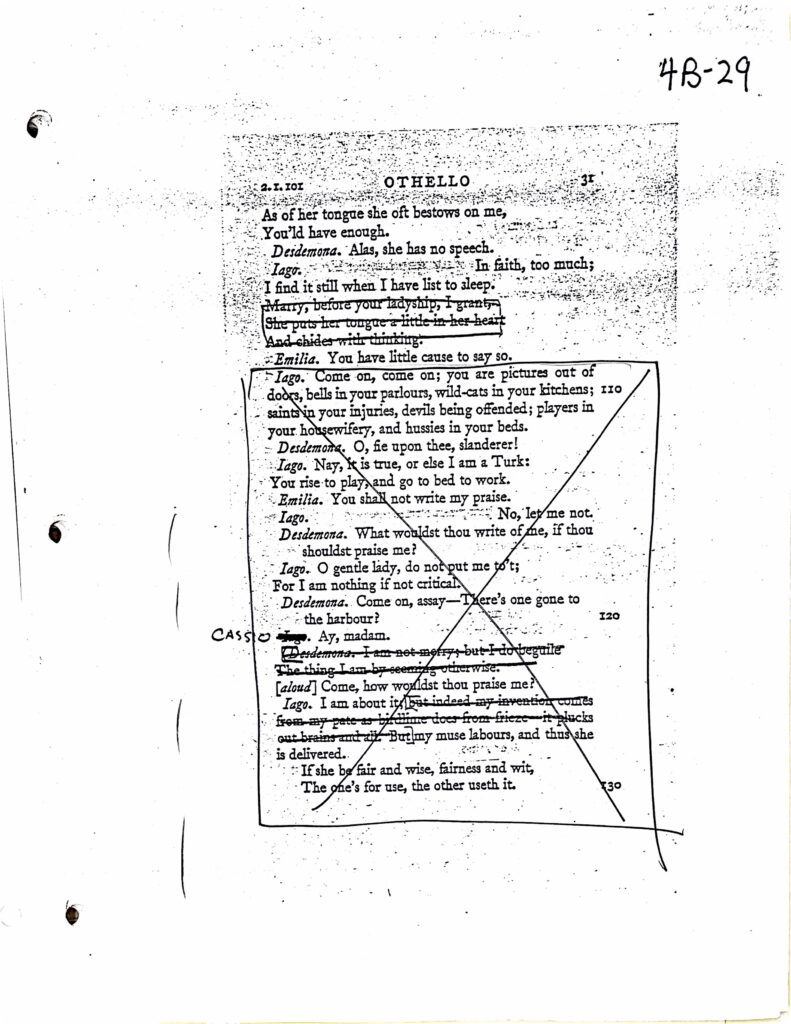
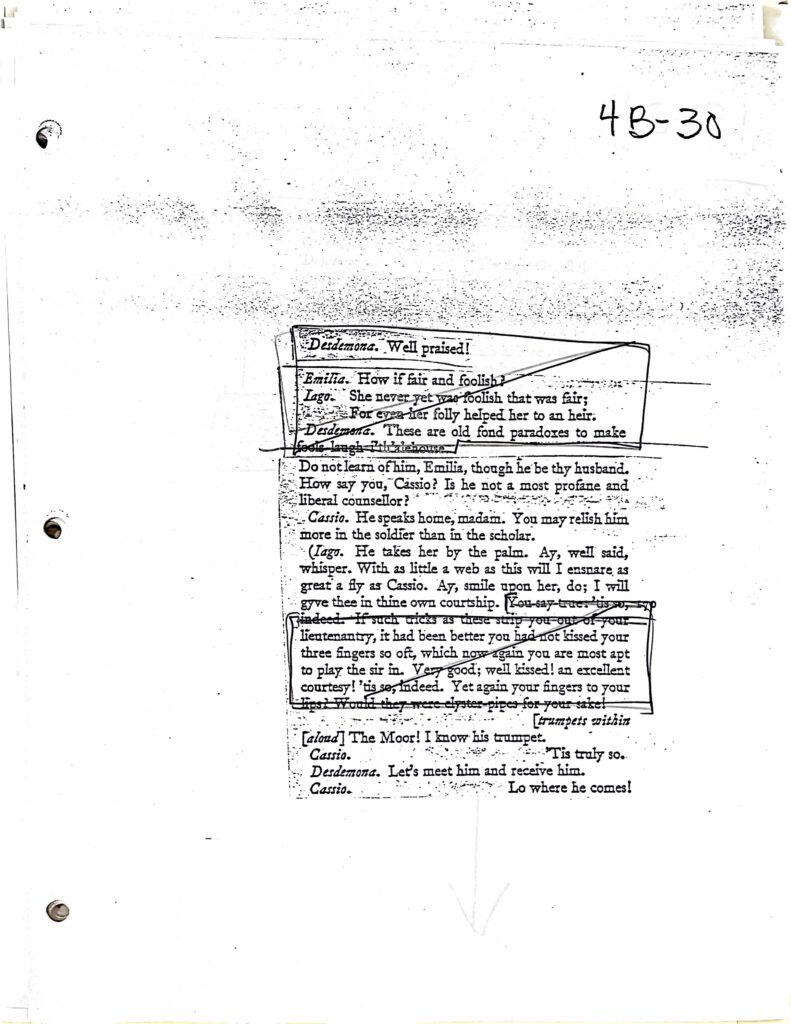
Thanks to the grant, we were able to scan countless materials to share with future students, including copies of script changes, blocking, and stage combat choreography. We plan to have students compare these choices and create their own plans for staging scenes based on their interpretations of the play.
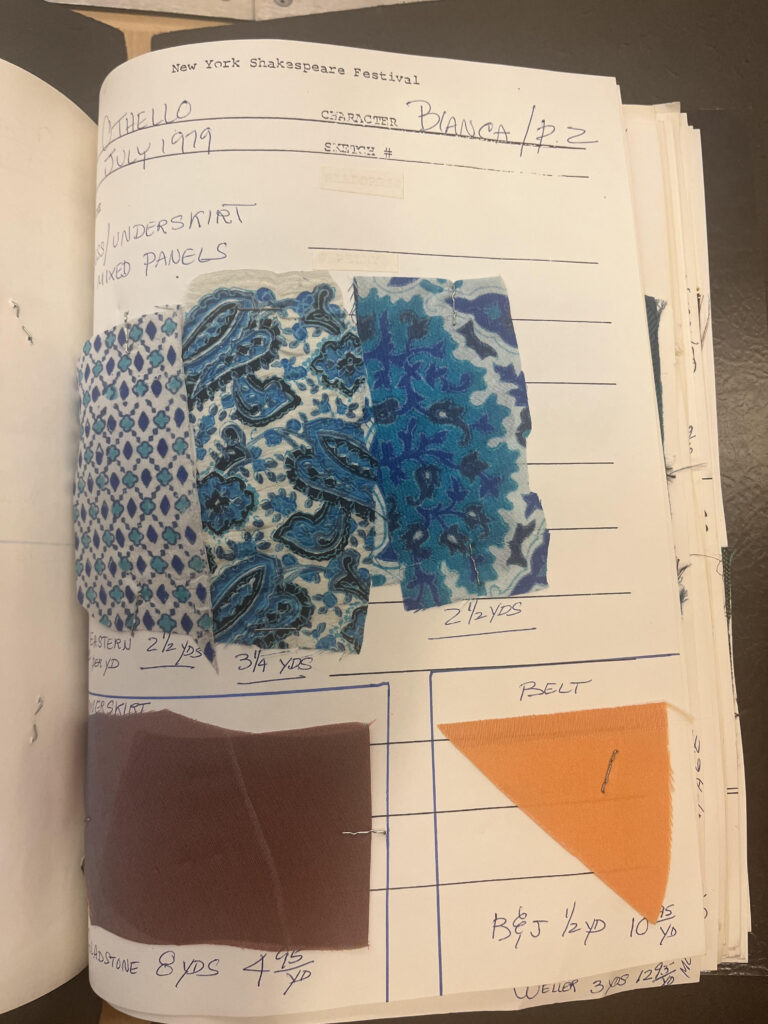
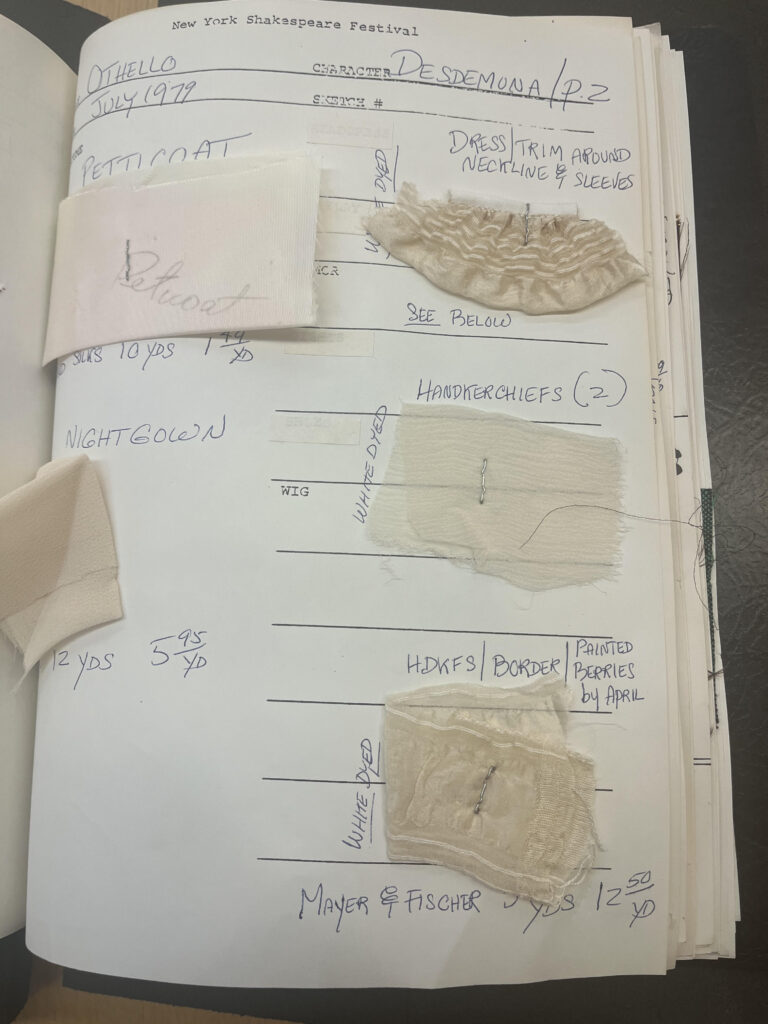
Although our English 2 course is an interdisciplinary one in which we often consider visual art, music, and culture in connection to the literary texts we read, we’ve rarely discussed the role of fashion and costuming. During our trip to the archives, we were intrigued by the costume sketches and the extensive collection of fabric swatches from the 1979 production and how they compared to past and current presentations of characters. We now intend to incorporate discussions of costuming and will encourage students to think about how elements like fabric patterns, color, and tailoring shape perceptions of Othello and Desdemona in particular.
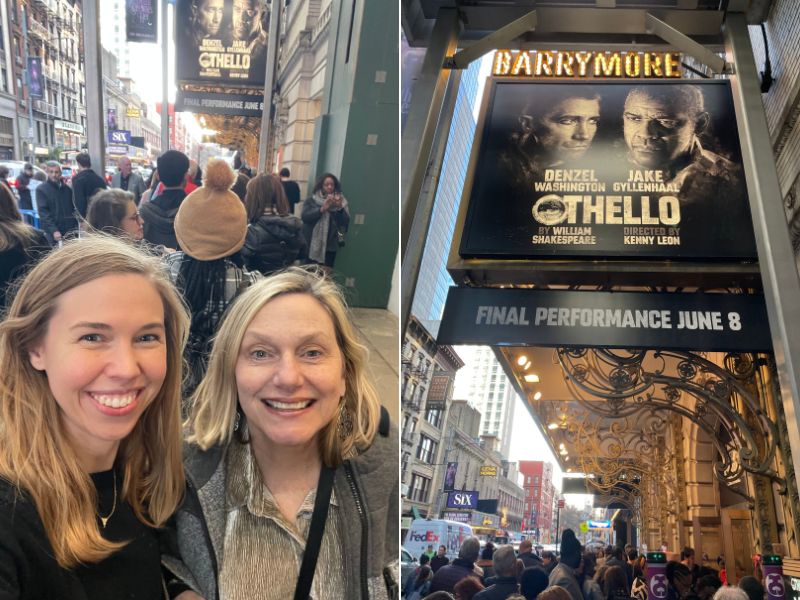
After we finished our work in the archives, we made our way to the Barrymore Theater to see this year’s production of Othello starring Denzel Washington, Jake Gyllenhaal, and Molly Osborne. The play situated the events in the “near future” and positioned Othello and Iago as US Marines rather than Venetian soldiers. It was especially fascinating to see the near-future setting, the slight amendments to the script, and casting choices following our experiences in the archives. For example, Leon’s direction and Washington’s performance—particularly his blocking in Acts 3 and 4—raised the question of how much his descent into murderous paranoia may have been shaped by the trauma of war and the insidious whisperings of a seemingly trustworthy comrade. Meanwhile, Gyllenhaal’s delivery of Iago’s soliloquies in Acts 1 and 2 suggested the ensign may have been driven more by the rumors surrounding Othello and his own wife than in other iterations. In many instances, his Iago was a more frenzied schemer compared to other portrayals.
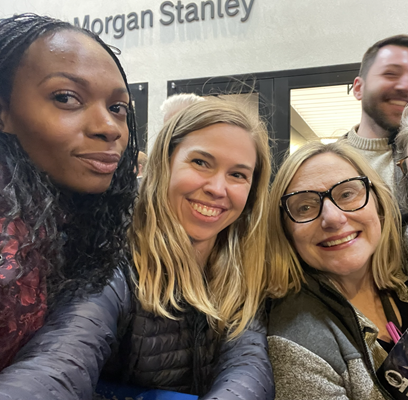
While much has been made of the presentation of Othello and Iago as Marines, we were also intrigued by the decision to present Emilia as a fellow soldier and Kimber Elayne Sprawl’s portrayal of her. We also look forward to discussing how the production reinforced Desdemona’s confidence—a trait that some productions minimize—not only through Molly Osborne’s approach, but also through some of the cuts to the second and final acts and through her attire. Unlike the soft, gauzy fabrics we saw in the archives and tend to see in filmed productions, Osborne primarily wore modern, impeccably tailored suits and jumpsuits in structured materials that reinforced Desdemona’s determination to advocate for herself, Othello, and Cassio across the play.
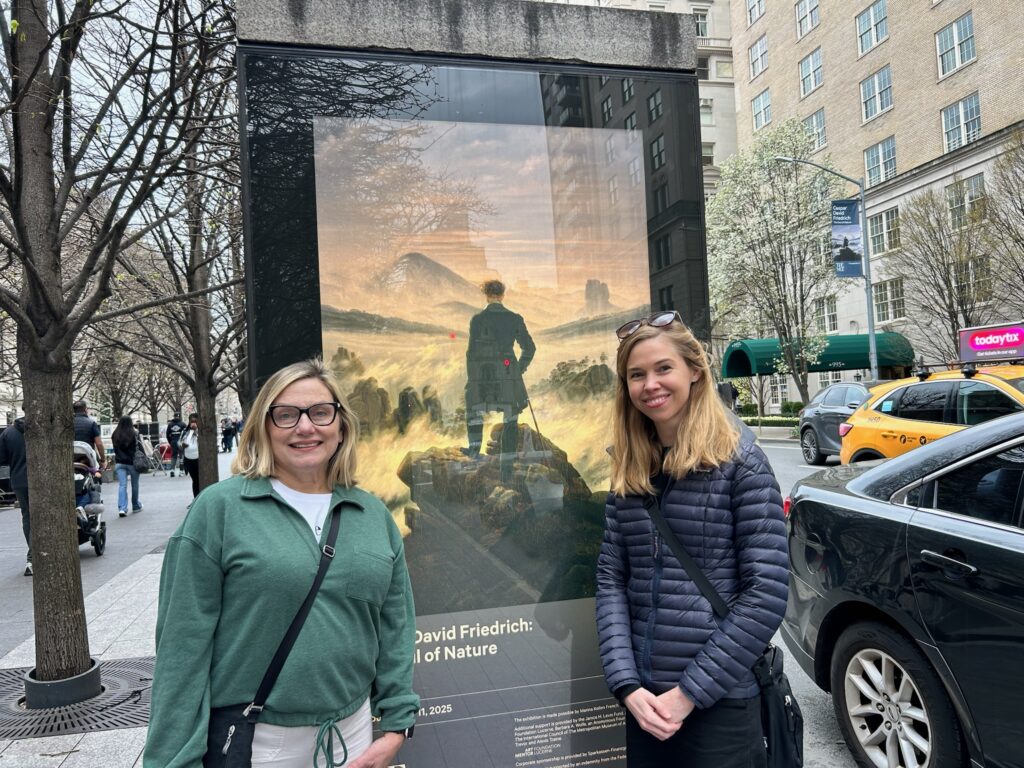
The rare opportunity to see the play live—and with such accomplished actors—was a once-in-a-lifetime opportunity and invited us to think anew about how we interpret many of the major characters. We also managed to visit several art museums on our trip and saw a phenomenal exhibit on painter Caspar David Friedrich that inspired countless new ideas for our Romanticism unit. Again, we are so grateful to NEHS for the chance to participate in so many incredible opportunities in New York and are thrilled by all the ideas our trip sparked for future lessons.

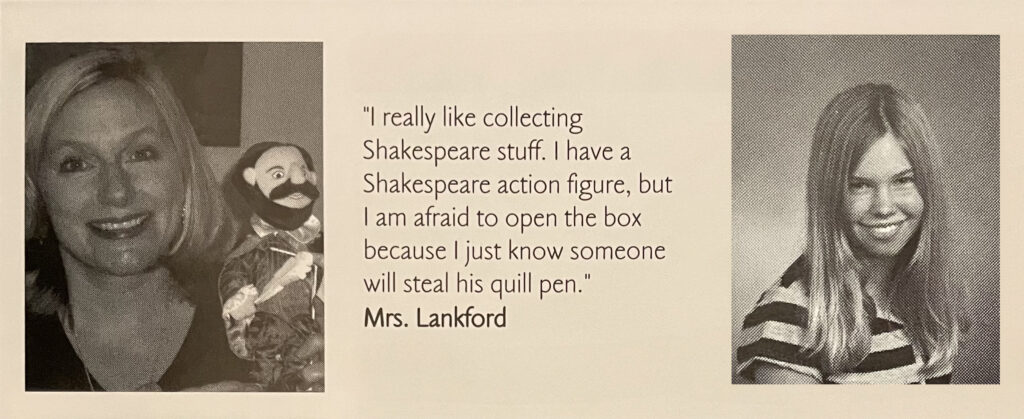
Mary Catherine Lankford has taught at Academic Magnet High School in North Charleston, SC, for over thirty years. She teaches Honors English 2 and AP English Literature and is Co-Advisor for the National English Honor Society. Two of her favorite parts of NEHS are the annual holiday book drive and reading the incredible poems that students write for monthly meetings. She has a special interest in teaching Shakespeare, especially Othello, which led her to take a course sponsored by the Folger Shakespeare Library called “Teaching Shakespeare is Teaching Race.” She looks forward to many more years of teaching and Advising NEHS.

Genevieve Hay is a teacher at and alumna of Academic Magnet High School in North Charleston, SC. After completing her PhD in English at Tufts University in 2021, she returned to AMHS, where she teaches Honors English 2 and serves as Co-Advisor for the National English Honor Society. She values the space that NEHS offers for students to share their love of literature and to practice professional skills in the humanities and looks forward to many more years of teaching and supporting NEHS members and initiatives.
National English Honor Society
The National English Honor Society (NEHS), founded and sponsored by Sigma Tau Delta, is the only international organization exclusively for secondary students and faculty who, in the field of English, merit special note for past and current accomplishments. Individual secondary schools are invited to petition for a local chapter, through which individuals may be inducted into Society membership. Immediate benefits of affiliation include academic recognition, scholarship and award eligibility, and opportunities for networking with others who share enthusiasm for, and accomplishment in, the language arts.
America’s first honor society was founded in 1776, but high school students didn’t have access to such organizations for another 150 years. Since then, high school honor societies have been developed in leadership, drama, journalism, French, Spanish, mathematics, the sciences, and in various other fields, but not in English. In 2005, National English Honor Society launched and has been growing steadily since, becoming one of the largest academic societies for secondary schools.
As Joyce Carol Oates writes, “This is the time for which we have been waiting.” Or perhaps it was Shakespeare: “Now is the winter of our discontent made glorious summer . . .” we celebrate English studies through NEHS.
National English Honor Society accepts submissions to our blog, NEHS Museletter, from all membership categories (students, Advisors, and alumni). If you are interested in submitting a blog, please read the Suggested Guidelines on our website. Email any questions and all submissions to: submit@nehsmuseletter.us.
